


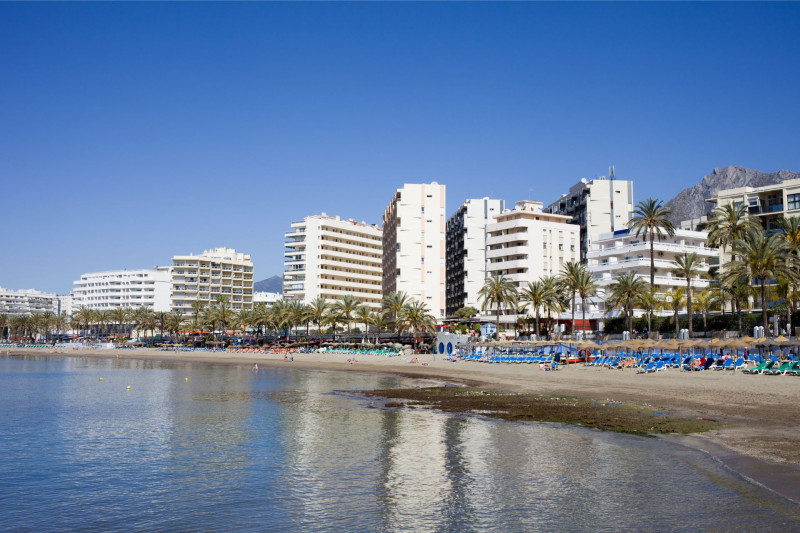
Thinking about buying your dream home under the Spanish sun? You’re not alone! According to Spain’s Land Registry, over 13% of property purchases in 2024 were made by foreign buyers, and the number continues to rise. From stylish apartments in Marbella to charming villas in Valencia, Spain offers endless opportunities for overseas investors.
But how does the buying process actually work for foreigners? What legal steps do you need to follow, and how can you avoid common pitfalls? This guide explains everything, from market research to final registration, so you can buy your ideal Spanish home with confidence.
Research the Spanish Property Market
Start by understanding Spain’s property trends in 2025. Prices remain stable across major destinations, with demand growing in coastal areas such as Marbella, Alicante, and Costa Blanca. These regions attract international buyers thanks to their excellent climate, lifestyle, and strong rental potential.
Coastal properties often bring higher rental yields, while inland homes offer more space for lower prices. Comparing locations and understanding potential returns will help you make a sound investment.
Determine Your Budget and Financing Options
Before you begin property hunting, set a clear budget. In addition to the purchase price, account for taxes, legal fees, and notary costs, roughly 10–13% extra.
Foreigners can access Spanish mortgages, typically up to 70% of the property’s value. Comparing lenders, exploring fixed and variable rate options, and monitoring currency exchange rates can save you money over time.
Obtain Your NIE (Foreigner Identification Number)
The NIE (Número de Identificación de Extranjero) is essential for all property transactions in Spain. It serves as your tax identification number. You can apply through the Spanish consulate in your home country or directly at a police station in Spain. Apply early, as processing may take several weeks.
Hire a Lawyer and Independent Property Advisor
Hiring a bilingual Spanish property lawyer ensures your purchase is legally sound. Your lawyer will check ownership records, confirm there are no debts, and review contracts before signing. An independent advisor can help identify reliable opportunities and guide you through local regulations.
Open a Spanish Bank Account
Opening a local account makes transactions smoother, from paying deposits to covering taxes and utilities. Most banks require your passport, NIE, and proof of income. Many Spanish banks cater specifically to international clients, offering English-language support.
Make an Offer and Sign the Reservation Contract
Once you’ve chosen your property, submit your offer. When accepted, you’ll sign a reservation contract and pay a small deposit (around €3,000–€6,000). This secures the property while your lawyer performs due diligence and ensures everything is in order.
Conduct Legal Checks and Due Diligence
Your lawyer will verify ownership, confirm there are no unpaid debts, and check that the property meets planning and zoning laws. They’ll also ensure that utilities and building permits are valid, protecting you from future complications.
Sign the Private Purchase Contract (Contrato de Arras)
This legally binding agreement outlines the sale terms and payment schedule. Buyers usually pay a 10% deposit at this stage. If the seller backs out, they must return double the amount. If the buyer withdraws, they lose the deposit.
Complete the Purchase at the Notary Office
At this stage, both parties sign the public deed of sale (Escritura Pública) before a notary. Once the final balance is paid, the property officially becomes yours. Your lawyer will then register the title with Spain’s Land Registry.
Understand the Taxes and Fees Involved
Foreign buyers must pay key taxes, including the Property Transfer Tax (ITP) for resales or VAT for new builds. Other costs include notary, legal, and registry fees. Ongoing expenses such as property tax (IBI), community charges, and insurance should also be considered. If renting out your home, you’ll need to pay non-resident income tax.
Moving In or Renting Out Your Property
After completion, you can register utilities, arrange internet, and furnish your home. If you plan to rent, check local laws regarding tourist licences. Many agencies, including JJ Marbella, provide property management services to handle maintenance and rental bookings on your behalf.

Why Choose JJ Marbella?
JJ Marbella is one of the Costa del Sol’s most trusted estate agencies, known for expertise, transparency, and personalised service. With deep local market knowledge and a portfolio of exceptional properties, their team helps international buyers make confident, well-informed decisions.
They combine innovative marketing tools, bilingual support, and dedicated client care to simplify every stage of your purchase. From initial search to after-sales assistance, JJ Marbella ensures a seamless experience for overseas buyers investing in Spain.
FAQs
Do foreigners need residency to buy property in Spain?
No. Non-residents can buy freely. However, property ownership can support future residency or Golden Visa applications.
How long does the process take?
Typically six to twelve weeks, depending on how quickly your NIE and legal checks are completed.
Can foreigners get a Spanish mortgage?
Yes. Many banks lend to non-residents, covering up to 70% of the property value.
Are there restrictions on foreign ownership?
None. Both EU and non-EU citizens can own property outright in Spain.
Conclusion
Buying property in Spain as a foreigner in 2025 is a rewarding experience when guided by professionals who understand the process. From getting your NIE to signing at the notary, each stage brings you closer to owning your Spanish home. With its sunny climate, strong property market, and relaxed lifestyle, Spain remains a top choice for international buyers.
Ready to start your journey? Contact JJ Marbella today and let their expert team help you find your ideal home in Spain.


